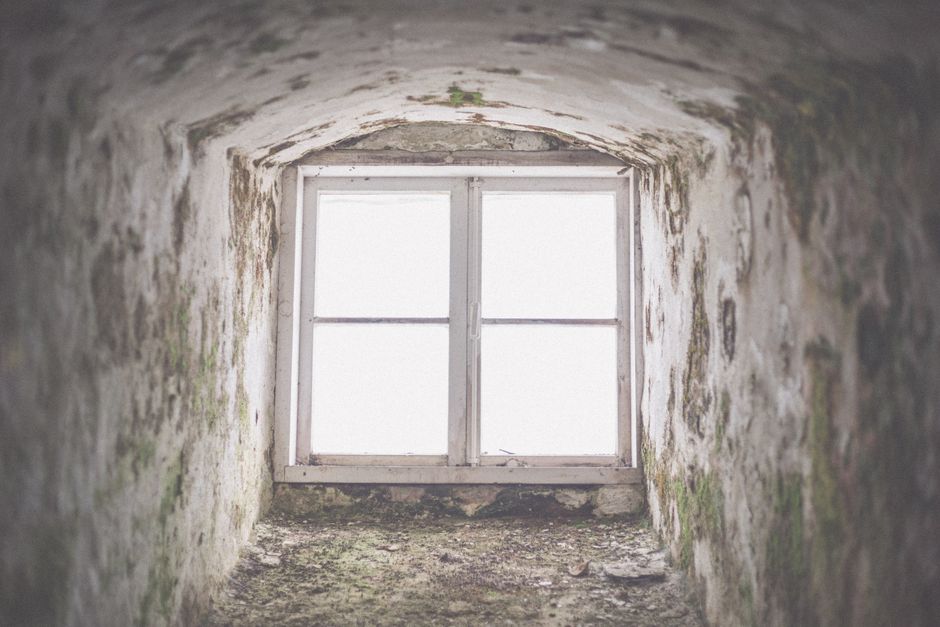
Mold remediation Richmond VA services are essential for homeowners facing hidden mold growth due to the region’s humid climate and occasional flooding. Ignoring mold infestations can lead to health risks such as allergies and respiratory issues, along with structural damage to properties.
Local mold remediation contractors typically assess the extent of contamination, identify moisture sources, and use specialized techniques to remove mold safely. Homeowners in Richmond should expect professional companies to follow industry standards and apply effective cleaning agents to prevent recurrence.
Understanding the mold removal process helps property owners make informed decisions when selecting qualified experts. With the right approach, it’s possible to restore indoor air quality and protect your investment from ongoing water damage and deterioration caused by mold.
Quick Takeaways on Mold Remediation in Richmond, VA
- Mold remediation in Richmond, VA requires addressing both visible and hidden mold growth to prevent health risks and structural damage.
- Professional contractors typically use advanced containment methods and HEPA filtration to safely remove mold spores.
- The region’s humid climate and local soil conditions often contribute to recurring moisture problems that fuel mold development.
- Homeowners should expect thorough inspection including moisture mapping and air quality testing to identify all affected areas.
- Effective remediation includes fixing underlying water intrusion issues, such as leaks or poor drainage, to prevent future mold outbreaks.
Understanding Mold Remediation and Its Importance in Richmond, VA
Mold remediation refers to the comprehensive process of identifying, removing, and preventing mold growth within residential or commercial properties. In Richmond, VA, the region's humid climate creates an environment highly conducive to persistent mold issues. Excess moisture from humidity accelerates mold development, making professional mold removal services particularly vital.
Richmond’s humidity levels often exceed 70 percent during warmer months, increasing the risk of hidden mold behind walls, under flooring, and in HVAC systems. This persistent moisture encourages mold colonies to thrive, which can lead to significant structural damage over time if left unaddressed.
Consequently, timely mold remediation helps preserve property integrity and maintain safe living conditions.
Health risks associated with uncontrolled mold growth are well-documented, including respiratory issues, allergic reactions, and exacerbation of asthma symptoms. Homeowners in Richmond should recognize that professional mold remediation contractors typically employ advanced techniques to thoroughly remove mold spores and improve indoor air quality.
This is especially important in homes affected by water intrusion or poor ventilation.
Get matched with vetted contractors via our to connect with experts experienced in addressing Richmond’s unique environmental challenges. Understanding the critical role of mold remediation in this humid region empowers homeowners to take proactive steps toward a healthier, mold-free home environment.
Common Causes and Signs of Mold Infestation in Richmond Homes
Local mold infestation in Richmond homes often stems from persistent water leaks, which provide the moisture necessary for mold growth. These leaks can originate from faulty plumbing, roof damage, or poorly sealed windows.
Additionally, poor ventilation in areas like basements and attics traps humidity, creating ideal conditions for mold spores to settle and multiply.
Homeowners in Richmond should be vigilant for common signs of mold infestation. Visible mold spots, which may appear as black, green, or white patches on walls, ceilings, or around window sills, are the most obvious indicators.
However, mold can also grow hidden behind drywall or beneath flooring, making early detection challenging but critical to prevent extensive structural damage.
Typical Causes of Mold Infestation in Richmond Properties
- Water leaks: Plumbing failures and roof leaks increase moisture levels.
- Poor ventilation: Inadequate airflow in basements and attics traps humidity.
- High indoor humidity: Richmond’s humid climate exacerbates moisture retention indoors.
- Condensation: On cold surfaces like pipes or windows encourages spore growth.
Early Signs Homeowners Should Watch For
- Visible mold spots: Discolored patches on walls, ceilings, or floors.
- Musty odors: Persistent damp smells indicating hidden mold presence.
- Health symptoms: Increased respiratory irritation or allergic reactions indoors.
- Water stains or discoloration: Signs of moisture intrusion that precede mold.
Recognizing these causes and signs early allows homeowners to seek professional evaluation and mold removal before infestation worsens. Local remediation contractors typically recommend thorough inspections of vulnerable areas like basements, attics, and around known water leak sources to address potential mold issues promptly.
Step-by-Step Mold Remediation Process Used by Richmond Professionals
Professional mold remediation contractors in Richmond typically begin the process with containment measures to isolate affected areas. This step involves sealing off basements, attics, or other infested zones using plastic sheeting and negative air pressure machines.
Such containment prevents the spread of mold spores to uncontaminated parts of the home, which is critical in Richmond's humid climate where spores can easily disperse.
The next phase involves air filtration using high-efficiency particulate air (HEPA) filters. These specialized devices capture airborne mold spores and microscopic debris, significantly improving air quality during remediation. Richmond contractors typically deploy multiple HEPA units to maintain clean air both inside and near the work zone.
Following containment and filtration, the actual removal of mold-infested materials begins. This often includes discarding porous items such as drywall, insulation, or carpet that have sustained extensive mold growth. Non-porous surfaces undergo thorough cleaning with EPA-registered antimicrobial solutions designed to eradicate residual mold colonies.
In Richmond homes, where persistent moisture issues are common, meticulous cleaning is vital to prevent recurrence.
Drying and Final Inspection
Once removal and cleaning are complete, professional remediation contractors employ industrial-grade drying equipment to eliminate all residual moisture. This drying phase is crucial in Richmond's region humid environment to inhibit further mold growth.
After drying, a comprehensive inspection ensures that all mold has been effectively removed and that affected areas meet safety standards before containment barriers are dismantled. Homeowners in Richmond should expect this systematic approach to ensure long-term mold control and protect structural integrity.
Common Mistake to Avoid
Homeowners in Richmond, VA often underestimate the importance of addressing hidden mold behind walls or under flooring. This oversight can lead to persistent mold growth, worsening air quality and increasing health risks.
Neglecting to hire professional mold remediation contractors for thorough inspection and removal may result in incomplete mold removal and ongoing structural damage.
Health Risks Associated with Mold Exposure in Richmond Residents
Mold exposure in Richmond residents can trigger a range of health risks, particularly due to the region's humid climate that fosters persistent mold growth. Individuals with preexisting allergies or respiratory issues often experience exacerbated symptoms such as sneezing, coughing, and nasal congestion when exposed to airborne mold spores.
This is especially concerning in Richmond, where seasonal humidity supports prolonged mold presence indoors.
Children and the elderly represent vulnerable groups within Richmond's population who are more susceptible to the adverse effects of mold exposure. Their immune systems may be less robust, making them prone to developing more severe respiratory complications, including asthma attacks and bronchitis.
Prolonged exposure to mold can also impair lung function and overall respiratory health in these demographics.
Immune system suppression or chronic illnesses further increase the risk of serious health consequences from mold. Richmond residents with compromised immunity may face heightened susceptibility to infections and inflammatory responses triggered by mold spores.
The presence of mold in living spaces can thus lead to significant health deterioration if not properly addressed.
Key Health Effects of Mold Exposure in Richmond Residents
- Allergic reactions: sneezing, runny nose, itchy eyes, skin rashes
- Respiratory issues: wheezing, coughing, asthma exacerbations
- Immune system impact: increased vulnerability to infections and inflammation
- Vulnerable populations: children and elderly at greater risk of severe symptoms
Cost Factors and Typical Pricing for Mold Remediation Services in Richmond, VA
Mold remediation costs in Richmond, VA, vary widely depending on several key factors. Inspection fees typically range from $200 to $600, which covers the initial assessment to identify the severity of mold growth and affected areas.
This inspection is crucial because it informs the scope and complexity of the remediation project.
The remediation cost itself depends largely on the property size and extent of contamination. Small-scale mold removal in a single room or basement may cost between $500 and $3,000. Larger or more severe infestations involving multiple rooms, attics, or structural components can escalate costs to $10,000 or more.
Richmond's region humid climate often exacerbates mold growth, increasing the likelihood of extensive remediation.
Primary Cost Factors Affecting Mold Remediation Pricing
- Extent of Mold Growth: More widespread or deeply embedded mold requires extensive removal and treatment, raising labor and material expenses.
- Property Size: Larger homes or buildings naturally incur higher costs due to increased surface area requiring remediation.
- Inspection and Testing: Comprehensive air quality and surface testing add to upfront costs but are vital for accurate remediation planning.
- Water Damage Repair: If mold is linked to ongoing water issues, additional repairs may be necessary, impacting total project cost.
- Containment Measures: Complex containment to prevent mold spores from spreading during remediation can increase labor time and equipment needs.
Homeowners in Richmond should expect a wide pricing range influenced by these factors. Professional contractors typically provide detailed estimates after inspection, ensuring transparency about what drives the final cost.
Using a lead aggregator service can help homeowners connect with vetted contractors who offer competitive pricing tailored to the specific mold situation and property characteristics in Richmond, VA.
Pro Tip
Homeowners in Richmond, VA should prioritize addressing mold growth promptly due to the region's humid climate, which accelerates spore proliferation. Engaging professional mold remediation contractors ensures thorough mold removal and minimizes structural damage.
Regular inspections of basements, attics, and other affected areas can prevent costly repairs and protect indoor air quality.
Preventative Measures to Avoid Mold Growth in Richmond Homes
Homeowners in Richmond, VA face unique challenges due to the region's humid climate, which fosters persistent mold growth if left unchecked. Effective humidity control is paramount to preventing mold spores from settling and proliferating.
Installing and maintaining dehumidifiers in basements, attics, and other moisture-prone areas can significantly reduce indoor moisture levels, thereby minimizing the risk of mold infestation.
Ventilation also plays a critical role in maintaining healthy air quality and inhibiting mold development. Properly functioning exhaust fans in kitchens and bathrooms, along with strategically placed vents, help circulate air and expel excess humidity.
Contractors typically recommend routine assessment of ventilation systems to ensure optimal performance, especially during Richmond's warm and wet seasons.
Additional Preventative Strategies
- Regular inspections: Homeowners should schedule periodic checks for signs of water leaks, condensation, or hidden mold in vulnerable areas such as crawl spaces and around plumbing fixtures.
- Waterproofing: Applying sealants to exterior walls and foundations can prevent water intrusion, a primary contributor to structural damage and mold growth.
- Prompt repairs: Addressing roof leaks, gutter blockages, and damaged pipes immediately limits moisture accumulation that fosters mold colonies.
- Proper landscaping: Ensuring proper grading around the home directs water away from the foundation, reducing dampness in basements and crawl spaces.
Incorporating these measures can substantially mitigate the risk of mold problems in Richmond homes. Homeowners looking to enhance their property's resilience against mold growth should consider consulting professional mold remediation contractors who understand the local climate's impact on moisture management.
Choosing the Right Mold Remediation Company in Richmond, VA: What to Look For
Selecting a qualified mold remediation company in Richmond, VA requires careful consideration of several critical factors. Homeowners should prioritize contractors with proper certifications that demonstrate adherence to industry standards and best practices.
Certifications from organizations such as the Institute of Inspection, Cleaning and Restoration Certification (IICRC) or the National Association of Mold Remediators and Inspectors (NAMRI) indicate a contractor’s commitment to effective mold removal and safety protocols.
Insurance is another essential element when choosing a professional company. Verified insurance coverage protects homeowners from liability in case of accidents or property damage during the remediation process. Contractors with adequate insurance typically provide greater peace of mind and financial security for clients.
Key Factors to Evaluate When Hiring Mold Remediation Professionals
- Local experience: Contractors familiar with Richmond’s humid climate and common mold issues are better equipped to address region-specific challenges.
- : Checking recent local reviews can reveal a company’s reputation regarding quality, reliability, and professionalism.
- Transparent estimates: Clear and detailed pricing information helps homeowners understand potential costs and avoid unexpected expenses.
- Use of advanced methods: Preference should be given to companies employing up-to-date remediation techniques and equipment to ensure thorough mold eradication.
By focusing on these criteria, homeowners can make informed decisions and connect with reputable remediation contractors who provide effective solutions tailored to Richmond’s unique environmental conditions. Utilizing a lead aggregator service can facilitate matching with vetted professionals who meet these essential qualifications.
Mold Remediation Cost Breakdown in Richmond, VA
| Service Type | Cost Range | Typical Timeline |
|---|---|---|
| Initial Mold Inspection and Testing | $200 – $600 | 1 – 2 days |
| Containment and Air Filtration Setup | $300 – $800 | 1 day |
| Mold Removal and Cleaning of Affected Areas | $500 – $3,000 | 2 – 5 days |
| Structural Repairs and Restoration | $1,000 – $10,000 | 1 – 3 weeks |
| Post-Remediation Air Quality Testing | $150 – $400 | 1 day |
Frequently Asked Questions
How long does mold remediation typically take?
Most mold remediation projects in residential settings take between one and five days, depending on the extent of mold growth and affected areas. Larger infestations, especially in basements and attics, can extend the timeline due to necessary containment and thorough mold removal.
Can homeowners perform mold remediation themselves?
Homeowners should exercise caution when addressing mold growth. While small, surface-level issues might be manageable with proper cleaning agents and protective gear, professional contractors typically handle hidden mold and extensive infestations to prevent structural damage and health risks associated with improper removal.
What are the common materials that mold grows on in Richmond homes?
In Richmond's humid climate, mold commonly develops on porous materials such as drywall, wood framing, insulation, and carpet. These materials retain moisture, fostering rapid mold spores proliferation, especially in areas with poor ventilation like basements and attics.
How can mold remediation improve indoor air quality?
Mold remediation reduces airborne mold spores that contribute to poor air quality. Removing mold-contaminated materials and applying specialized filtration during remediation helps minimize respiratory irritants, enhancing the overall health environment within affected Richmond homes.
What should I expect during a professional mold inspection?
A professional mold inspection usually involves a detailed assessment of visible mold growth, moisture sources, and hidden areas prone to infestation. Inspectors use specialized tools to detect elevated humidity levels and collect samples for lab analysis, providing a comprehensive overview before recommending remediation strategies.
Effective mold remediation in Richmond, VA involves addressing the root causes of mold growth while mitigating health risks and preventing further structural damage.
Homeowners should prioritize working with local remediation contractors who understand the challenges posed by the region’s humid climate and possess experience in treating affected areas like basements and attics.
Get matched with vetted Mold Remediation in Richmond, VA via our to connect with professional contractors offering thorough assessments and tailored solutions for your home’s unique needs.